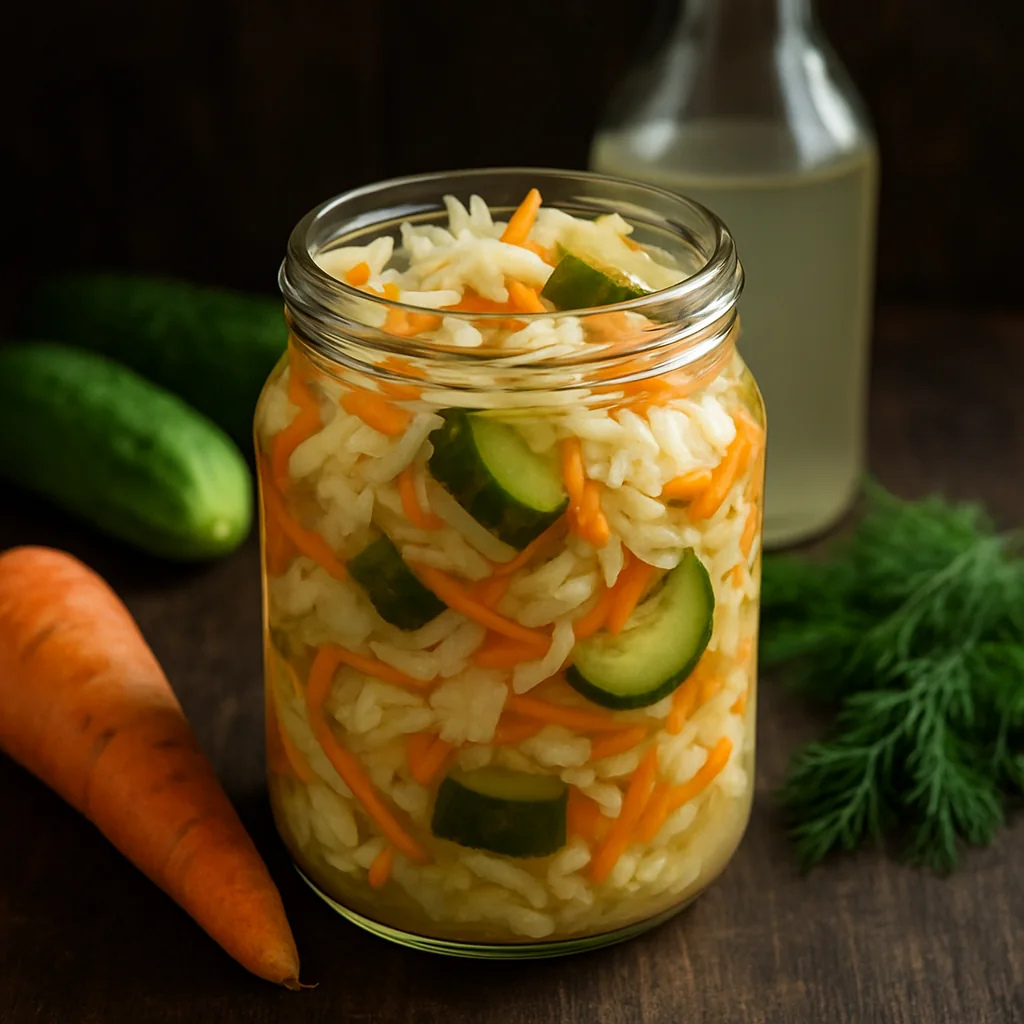
Birch Sap Kvass (No Yeast) – Step-by-Step Recipe & Practical Tips
Birch sap kvass without added yeast is a refreshing naturally fermented drink with light carbonation.
1 h
Easy
1
Go to recipe
This classic version of kvass is made using natural yeast from raisins. The drink develops a mild sour taste and gentle carbonation. Proper fermentation time is key to a balanced flavor.
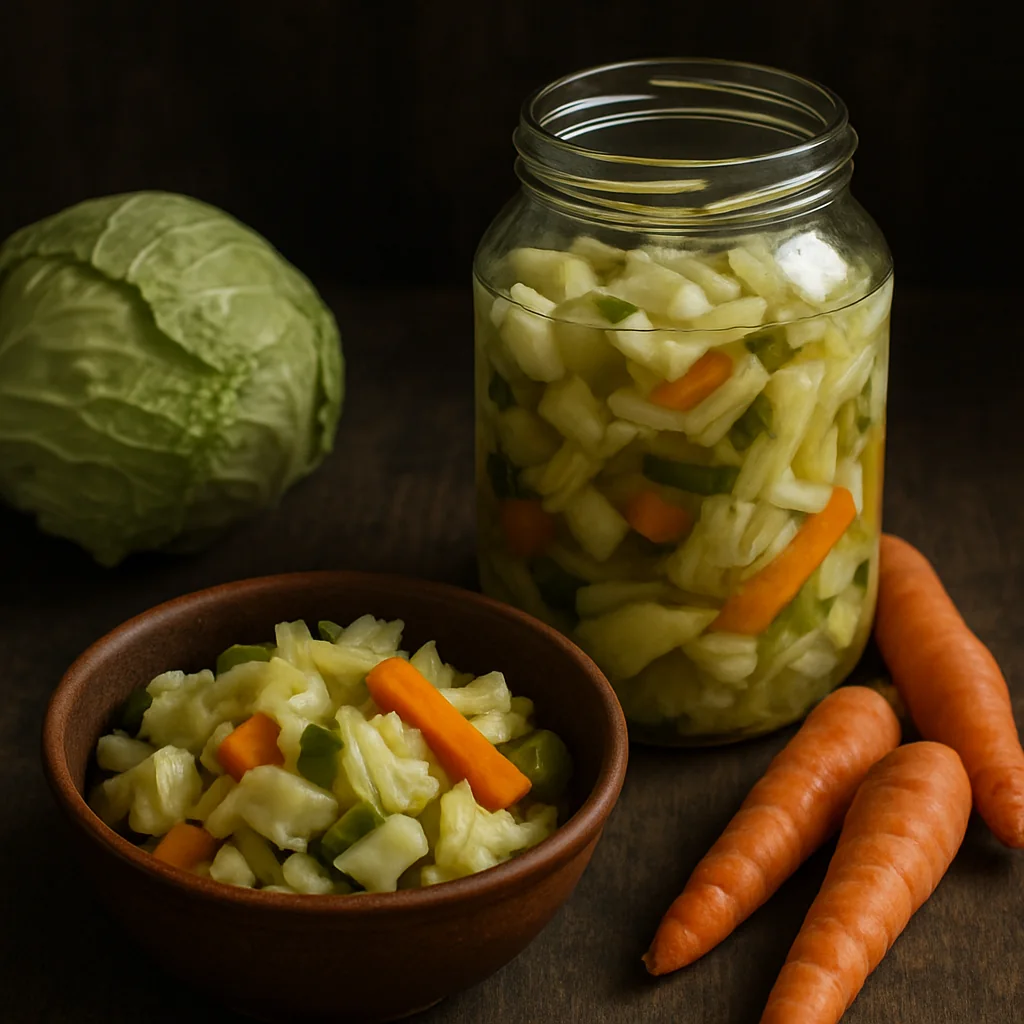
Birch sap kvass with raisins is a refreshing naturally fermented drink with light carbonation.
Below is the ingredient list for this recipe with the base proportions. It is convenient to prepare everything you need in advance so the cooking process goes more smoothly and without rushing.
There are 3 items in the list. It is convenient to check that everything is ready first and only then move on to the cooking steps.
The recipe is broken down into clear steps so it is easy to follow right in the kitchen. Move through them in order to keep the process under control and avoid missing important details.
This recipe has 5 steps. It is easiest to follow them in order without jumping between stages.
Strain the fresh birch sap.
Add raisins and sugar.
Leave at room temperature for 1–3 days.
Look for light carbonation and a mild sour taste.
Strain and refrigerate.
They contain natural yeast that starts fermentation.
Yes, but fermentation will be weaker and slower.
A strong recipe page does not end with ingredients. The next step should be logical: a calculation, an explanation, a troubleshooting page, a guide, or a closely related section.
If you liked this recipe, there are often several similar preserves worth opening next.
Birch sap kvass without added yeast is a refreshing naturally fermented drink with light carbonation.
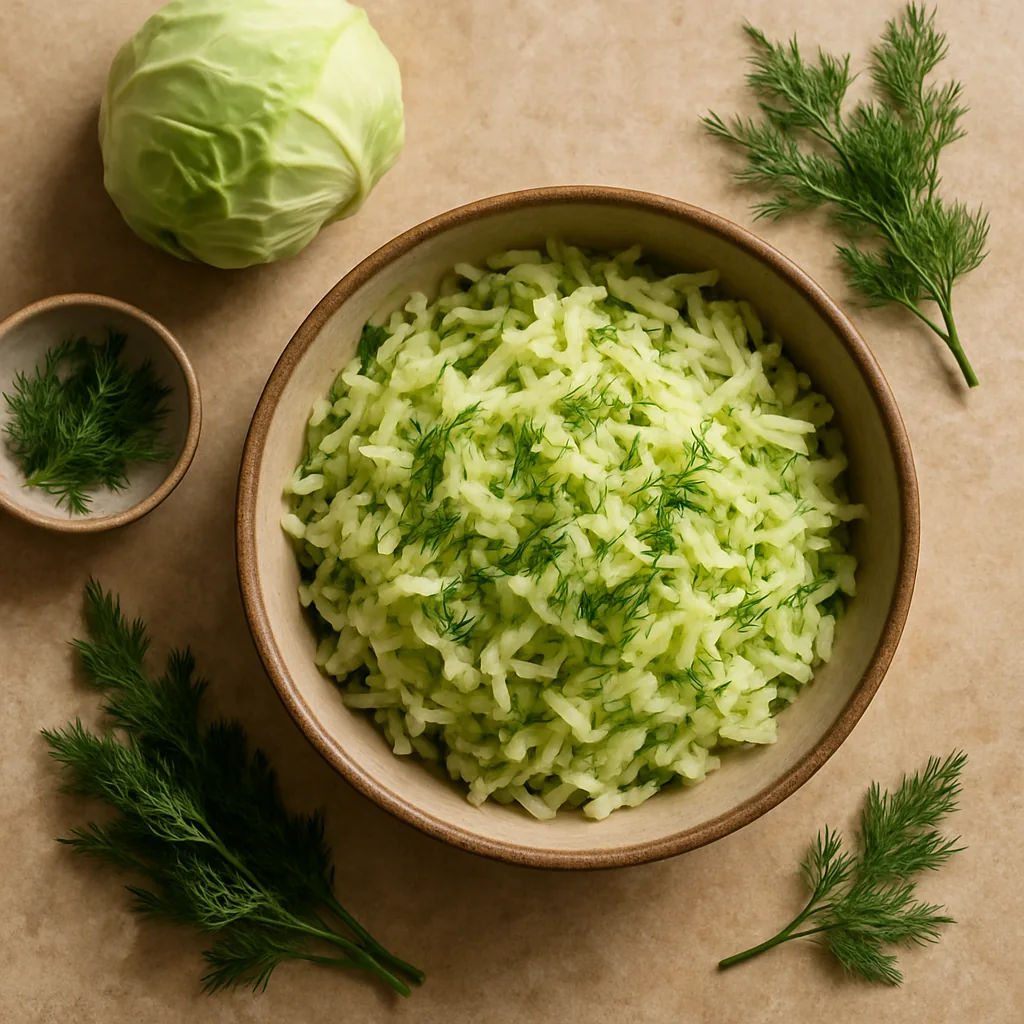
Young fermented cabbage is a light seasonal dish with a tender texture and quick fermentation.
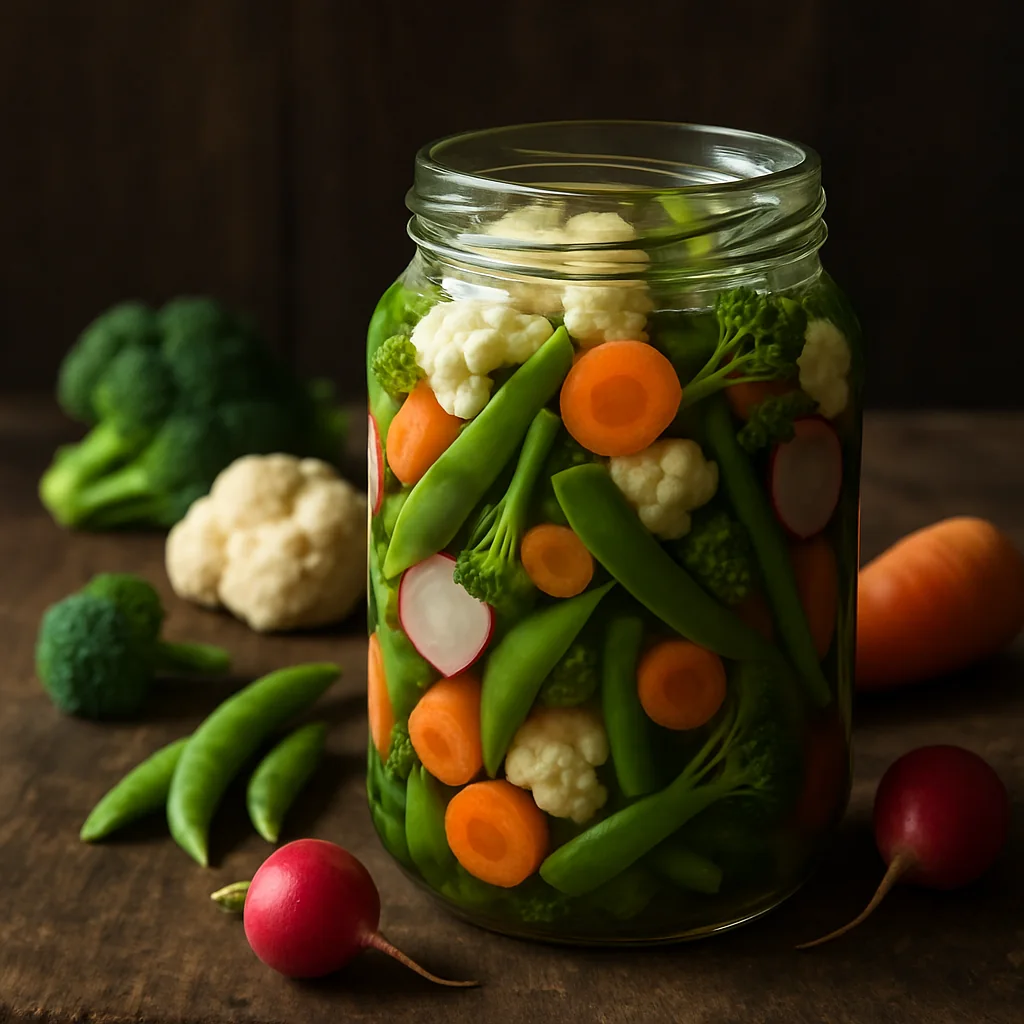
Spring pickled vegetable mix is a crisp, colorful preserve made with fresh seasonal vegetables and a balanced marinade.
Home preserving always depends on cleanliness, correct proportions, sterilization, and storage conditions. If the result seems doubtful, it is safer not to take risks and to open the related troubleshooting pages and explanations.