Autumn • Winter
Classic Sauerkraut with Carrots – Step-by-Step Recipe & Practical Tips
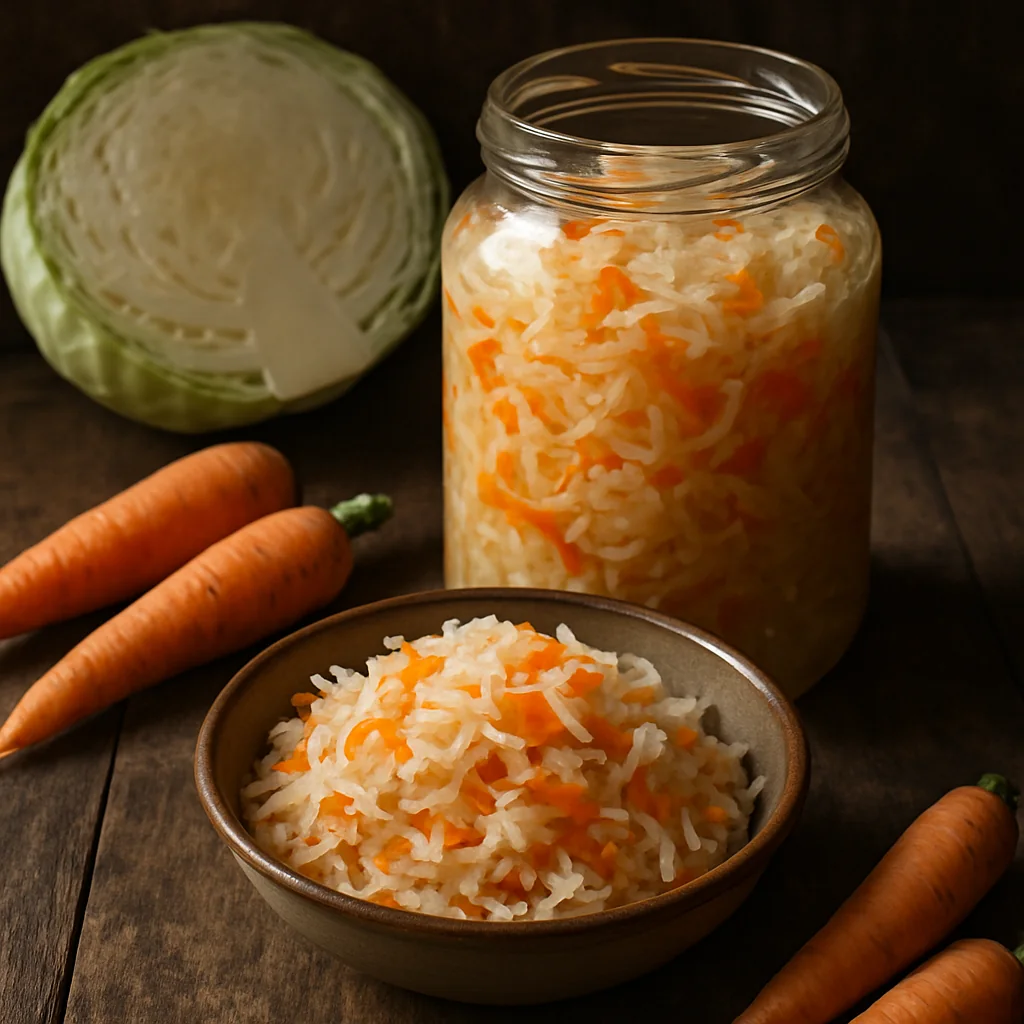
Classic sauerkraut with carrots is a simple fermented dish with a rich, traditional homemade flavor.
1 h
Easy
1
Go to recipe
This classic sauerkraut recipe uses simple ingredients and natural fermentation to create a crisp, tangy cabbage with a rich flavor, perfect for autumn and winter.
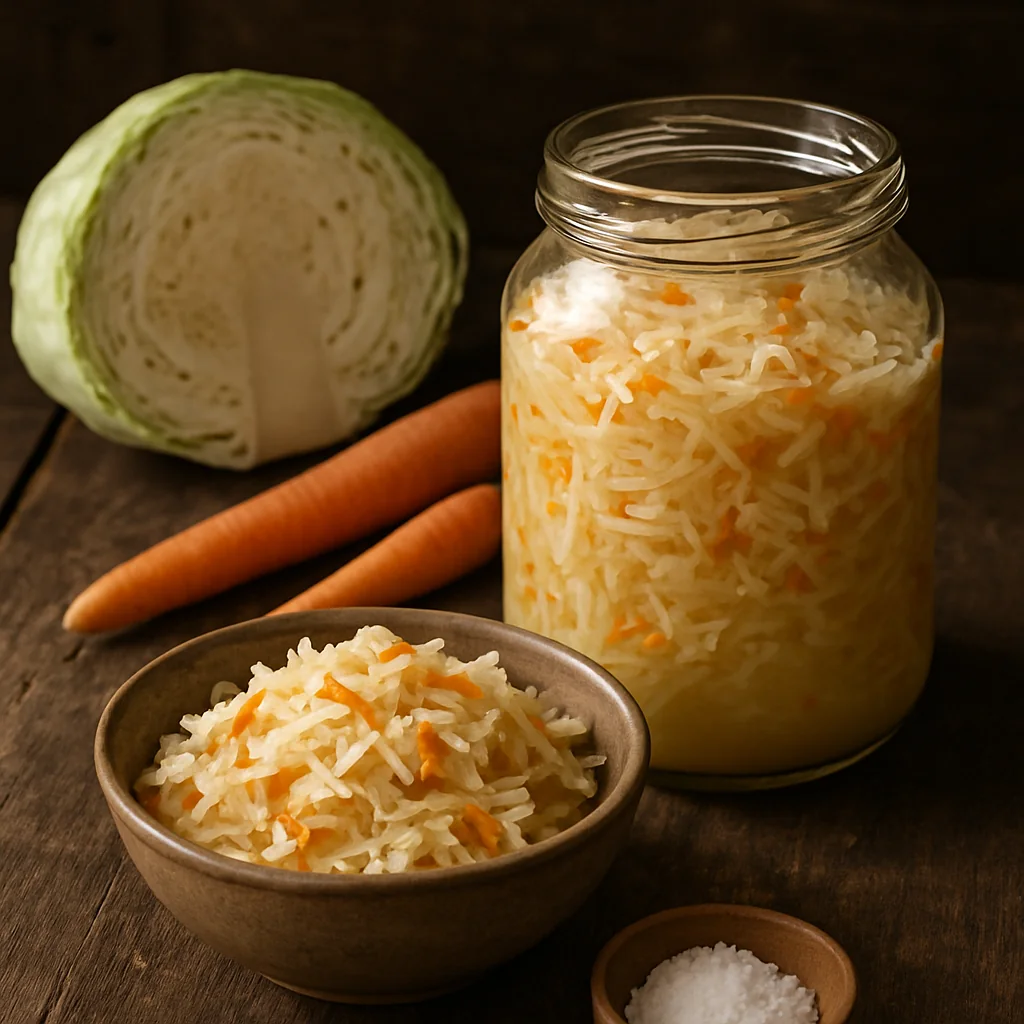
Crisp sauerkraut with carrots, made without vinegar using natural fermentation.
Below is the ingredient list for this recipe with the base proportions. It is convenient to prepare everything you need in advance so the cooking process goes more smoothly and without rushing.
There are 3 items in the list. It is convenient to check that everything is ready first and only then move on to the cooking steps.
The recipe is broken down into clear steps so it is easy to follow right in the kitchen. Move through them in order to keep the process under control and avoid missing important details.
This recipe has 5 steps. It is easiest to follow them in order without jumping between stages.
Finely shred the cabbage and grate the carrots.
Mix vegetables with salt and massage until juice begins to release.
Pack tightly into a container, pressing until the vegetables are submerged in their juice.
Leave at room temperature for 3–5 days, piercing daily to release gases.
Once pleasantly sour, transfer to a cool place or refrigerator.
These pages help with situations that often come up during preparation, drying, or storage. Each one opens a separate page with an explanation.
A strong recipe page does not end with ingredients. The next step should be logical: a calculation, an explanation, a troubleshooting page, a guide, or a closely related section.
If you liked this recipe, there are often several similar preserves worth opening next.
Classic sauerkraut with carrots is a simple fermented dish with a rich, traditional homemade flavor.
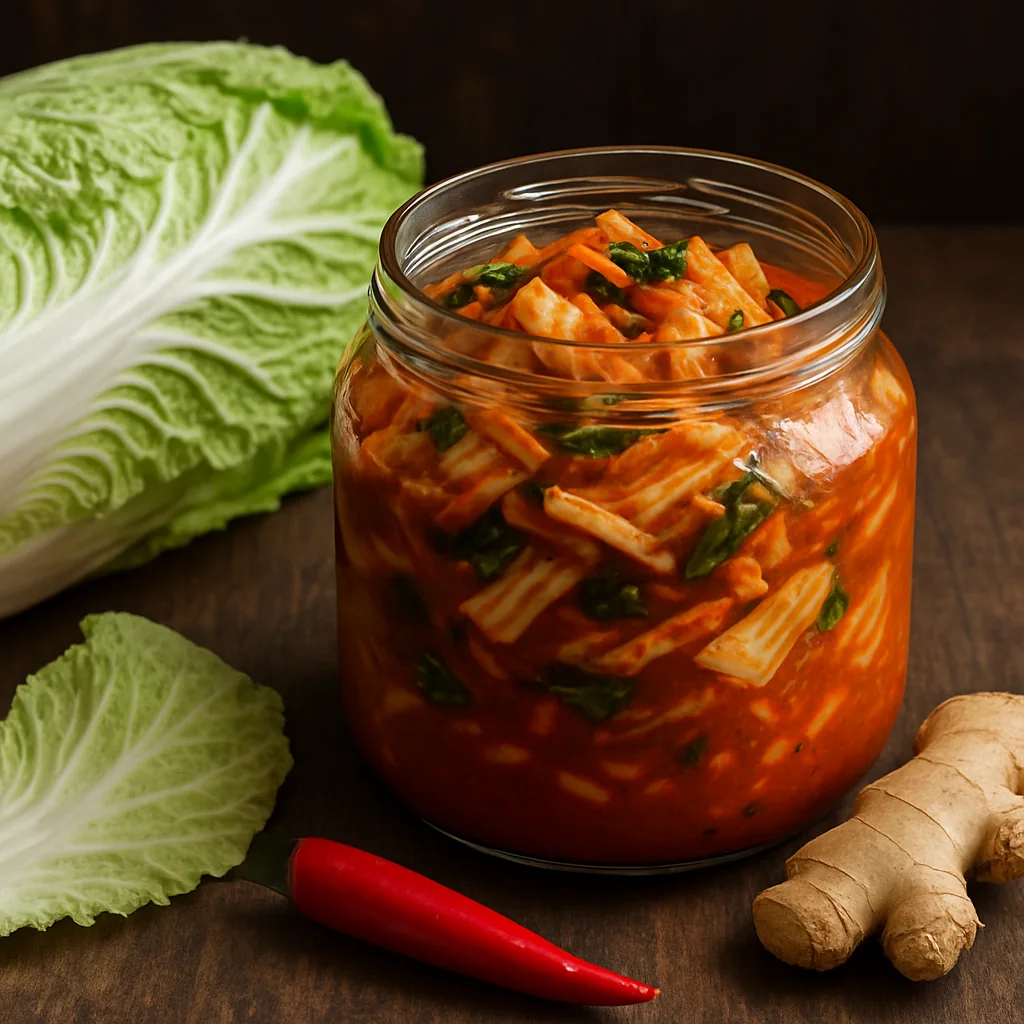
Homemade napa cabbage kimchi is a flavorful fermented dish with a perfect balance of spice, texture, and storage convenience.
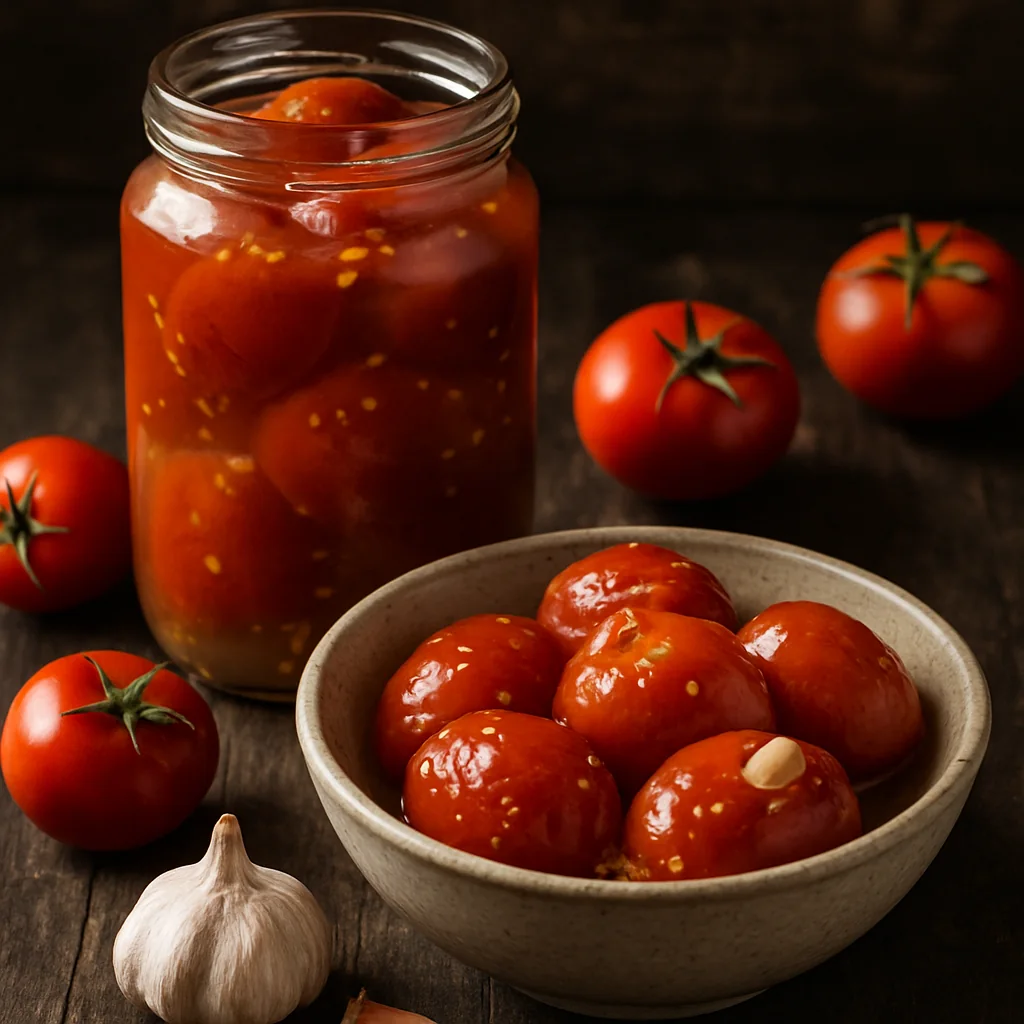
Aromatic fermented tomatoes with a rich flavor and a subtle spicy mustard note.
Home preserving always depends on cleanliness, correct proportions, sterilization, and storage conditions. If the result seems doubtful, it is safer not to take risks and to open the related troubleshooting pages and explanations.