Spring
Stinging Nettle for Winter – How to Prepare and Store
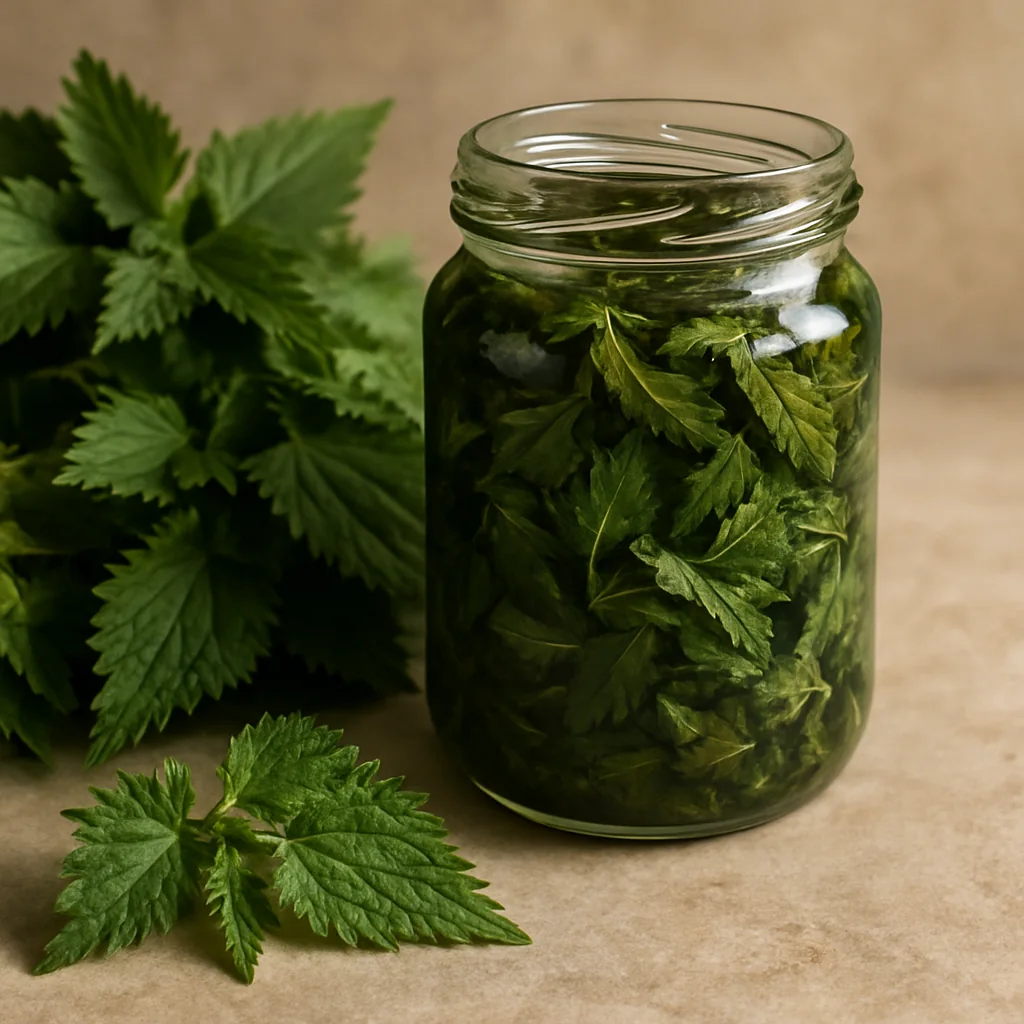
Stinging nettle is a nutritious spring green that can be preserved for soups and sauces.
30 min
Easy
4
Go to recipe
The key to cooking nettles is proper preparation: use young leaves, handle them with gloves, and briefly blanch before use.
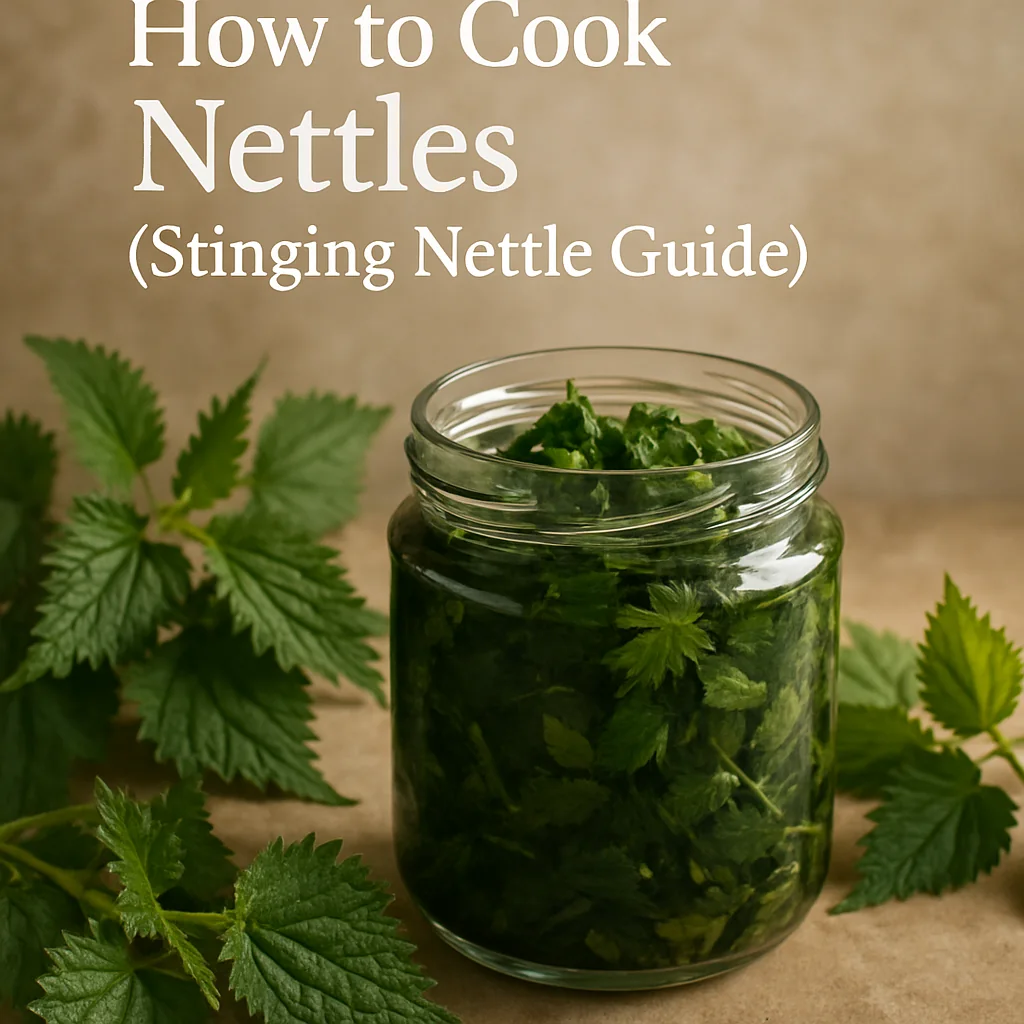
Nettles are not just for soup. They can be blanched, frozen, and used in herb pastes, fillings, and green mixes.
Below is the ingredient list for this recipe with the base proportions. It is convenient to prepare everything you need in advance so the cooking process goes more smoothly and without rushing.
There are 3 items in the list. It is convenient to check that everything is ready first and only then move on to the cooking steps.
The recipe is broken down into clear steps so it is easy to follow right in the kitchen. Move through them in order to keep the process under control and avoid missing important details.
This recipe has 6 steps. It is easiest to follow them in order without jumping between stages.
Use young leaves without tough stems.
Nettles sting until they are heat-treated.
Thoroughly rinse in cold water.
Pour boiling water over or blanch for 1–2 minutes.
Cool quickly in cold water to preserve color.
Use in soups, sauces, fillings, or freeze for later.
Yes, it removes the sting and makes them safe to eat.
Yes, after blanching and cooling.
These pages help with situations that often come up during preparation, drying, or storage. Each one opens a separate page with an explanation.
A strong recipe page does not end with ingredients. The next step should be logical: a calculation, an explanation, a troubleshooting page, a guide, or a closely related section.
If you liked this recipe, there are often several similar preserves worth opening next.
Stinging nettle is a nutritious spring green that can be preserved for soups and sauces.
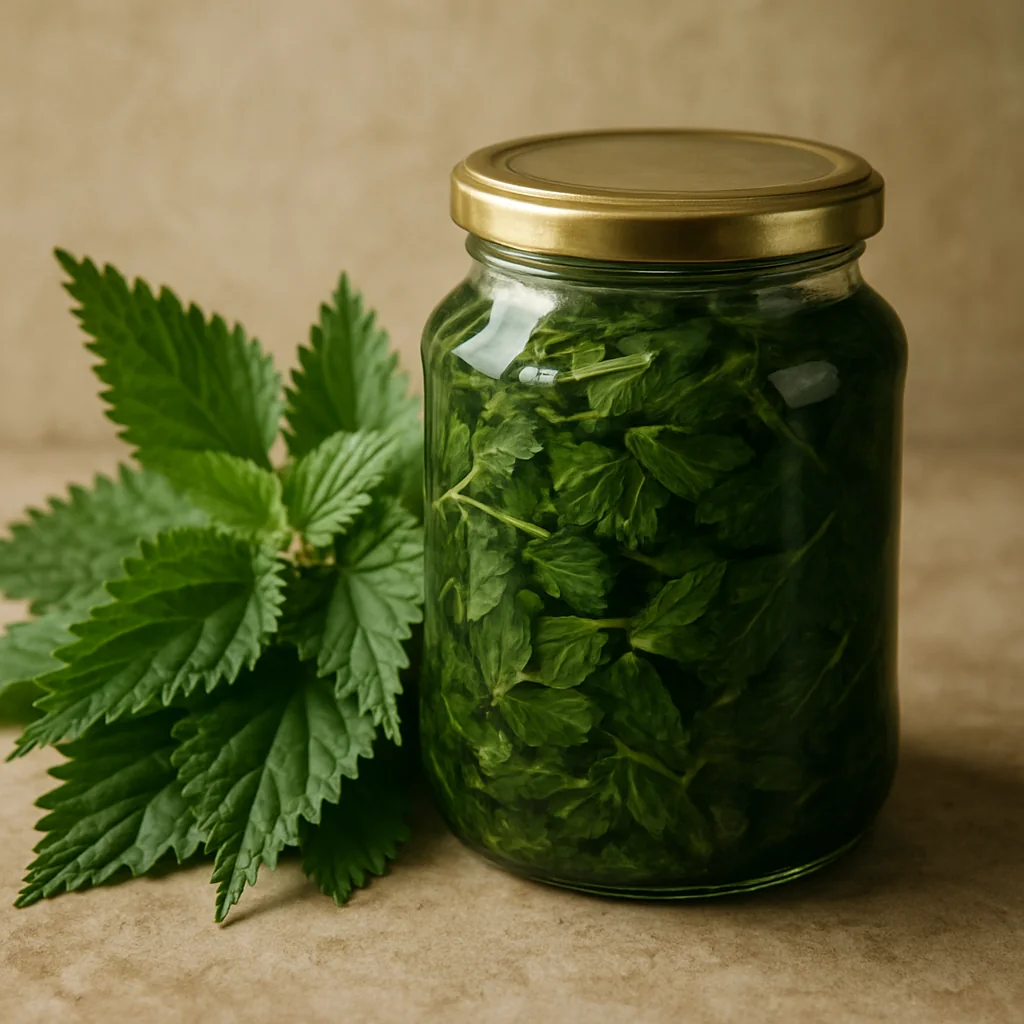
Nettle for winter is a simple preserve for soups that keeps its natural flavor and nutrients.
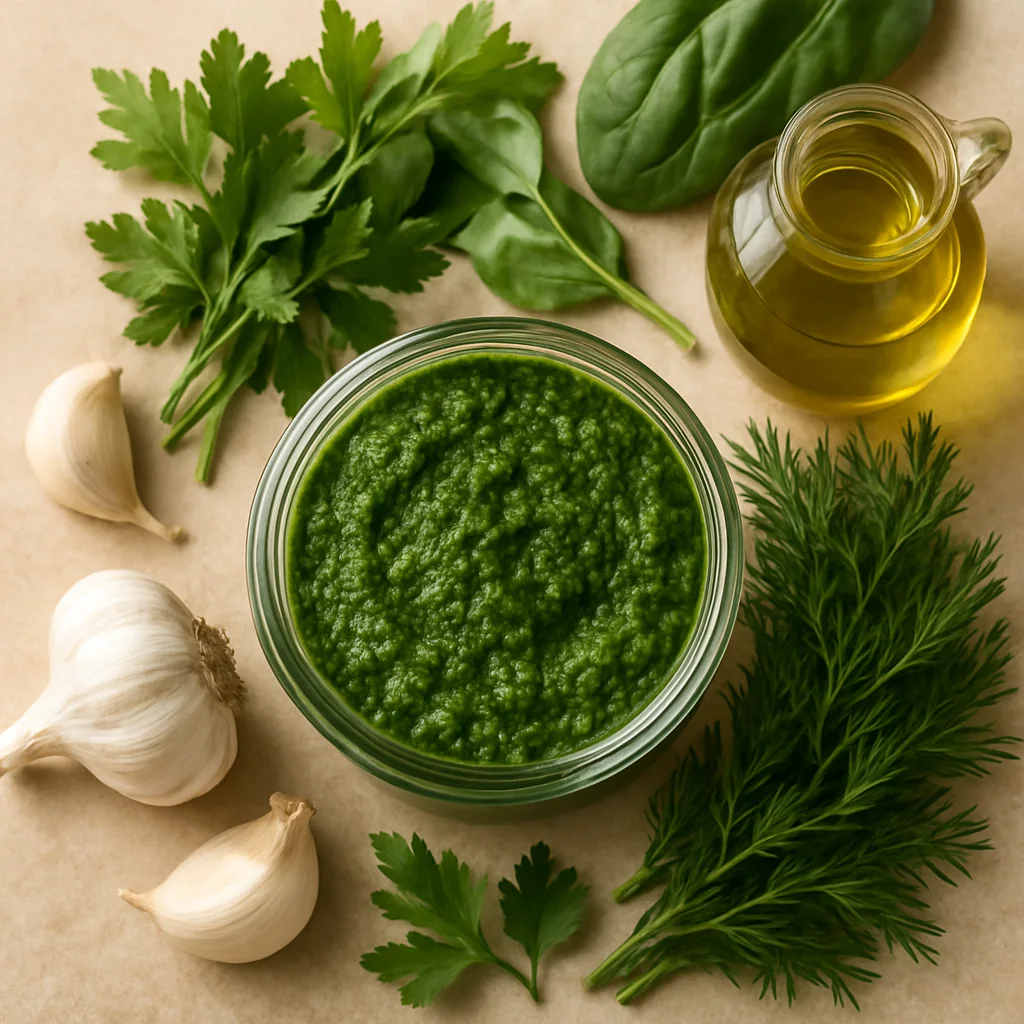
Green herb paste is a fresh spring spread made from seasonal greens, perfect for everyday use.
Home preserving always depends on cleanliness, correct proportions, sterilization, and storage conditions. If the result seems doubtful, it is safer not to take risks and to open the related troubleshooting pages and explanations.