Spring
Stinging Nettle for Winter – How to Prepare and Store
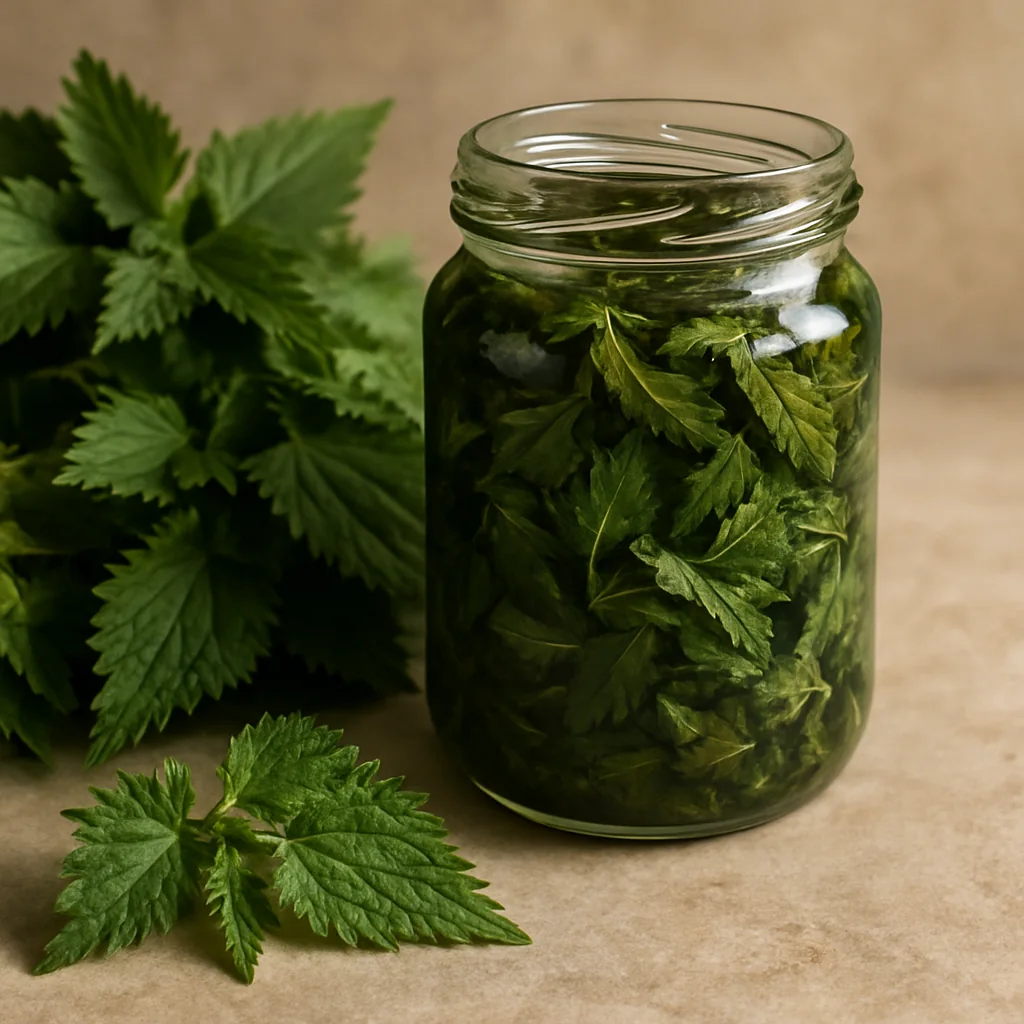
Stinging nettle is a nutritious spring green that can be preserved for soups and sauces.
30 min
Easy
4
Go to recipe
Learn how to preserve young nettle for winter use in soups and fillings with a clear step-by-step method, practical tips, and proper storage guidance.
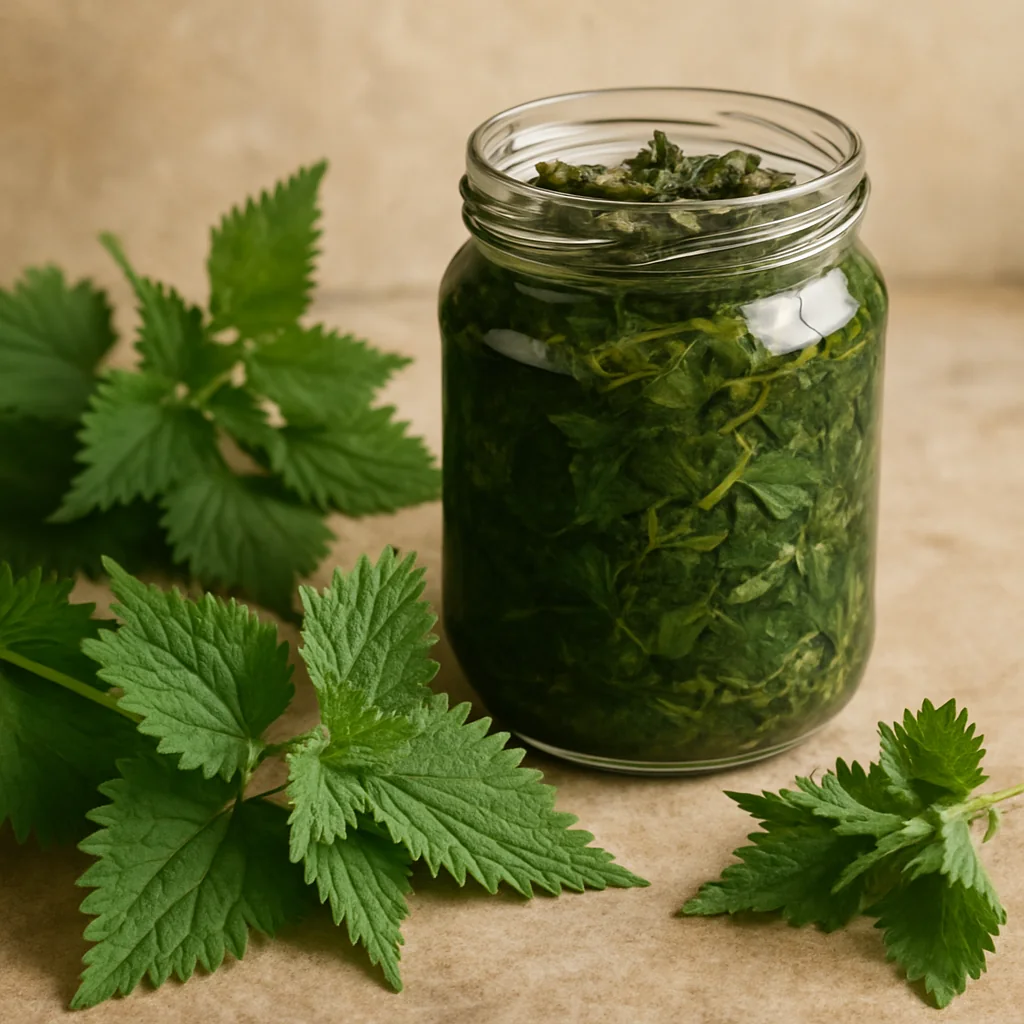
Young nettle is a nutritious spring green that can be preserved for soups, pies, and sauces.
Below is the ingredient list for this recipe with the base proportions. It is convenient to prepare everything you need in advance so the cooking process goes more smoothly and without rushing.
There are 3 items in the list. It is convenient to check that everything is ready first and only then move on to the cooking steps.
The recipe is broken down into clear steps so it is easy to follow right in the kitchen. Move through them in order to keep the process under control and avoid missing important details.
This recipe has 4 steps. It is easiest to follow them in order without jumping between stages.
Wearing gloves, sort and wash the leaves thoroughly, then blanch in boiling water for 1 minute.
Finely chop the nettle after it has cooled slightly.
Transfer to a pot with a small amount of water, add salt, and heat for 3–4 minutes.
Place the hot mixture into sterilized jars and seal immediately.
Store in a cool, dark place. After opening, keep refrigerated and use within 2 days.
Yes, but avoid significantly changing the balance of salt, acid, and liquid.
These pages help with situations that often come up during preparation, drying, or storage. Each one opens a separate page with an explanation.
A strong recipe page does not end with ingredients. The next step should be logical: a calculation, an explanation, a troubleshooting page, a guide, or a closely related section.
If you liked this recipe, there are often several similar preserves worth opening next.
Stinging nettle is a nutritious spring green that can be preserved for soups and sauces.
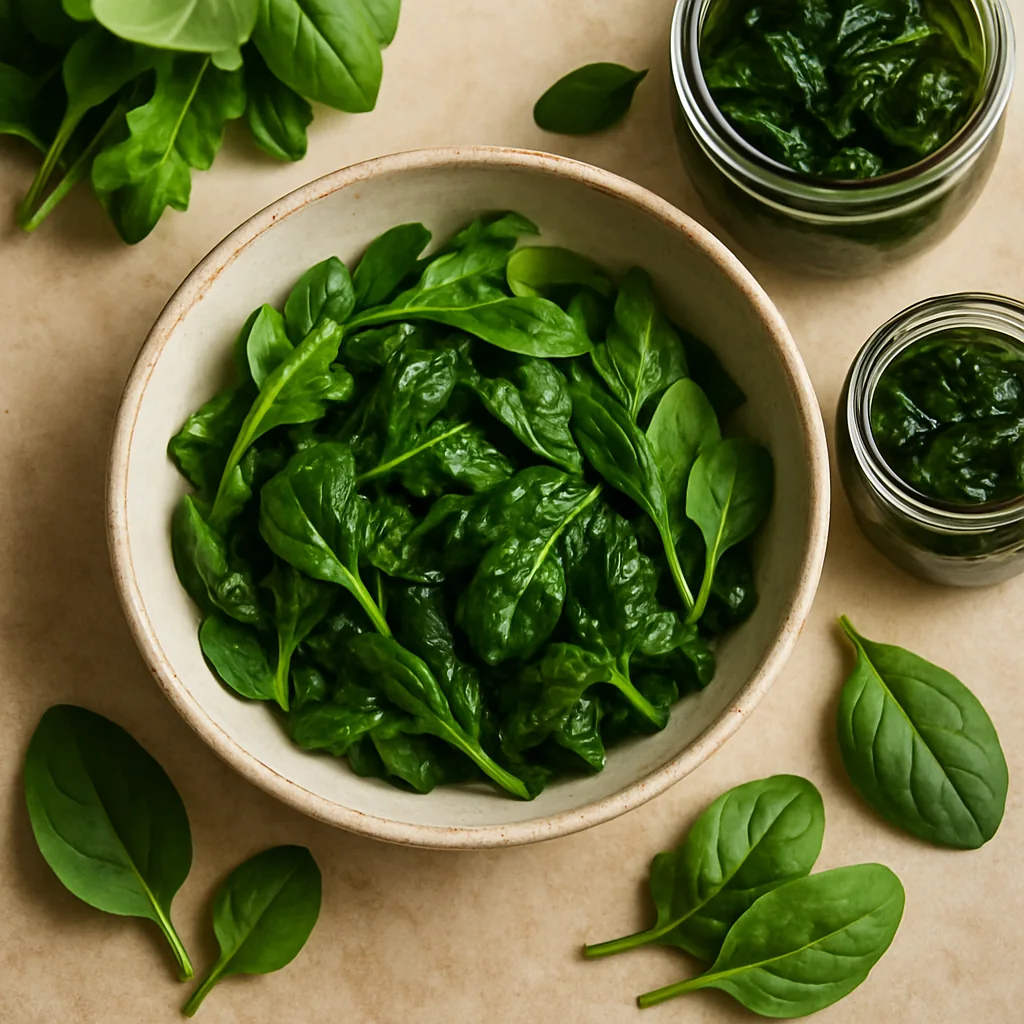
Marinated spinach is a delicate spring appetizer with a subtle spicy aroma from nutmeg.
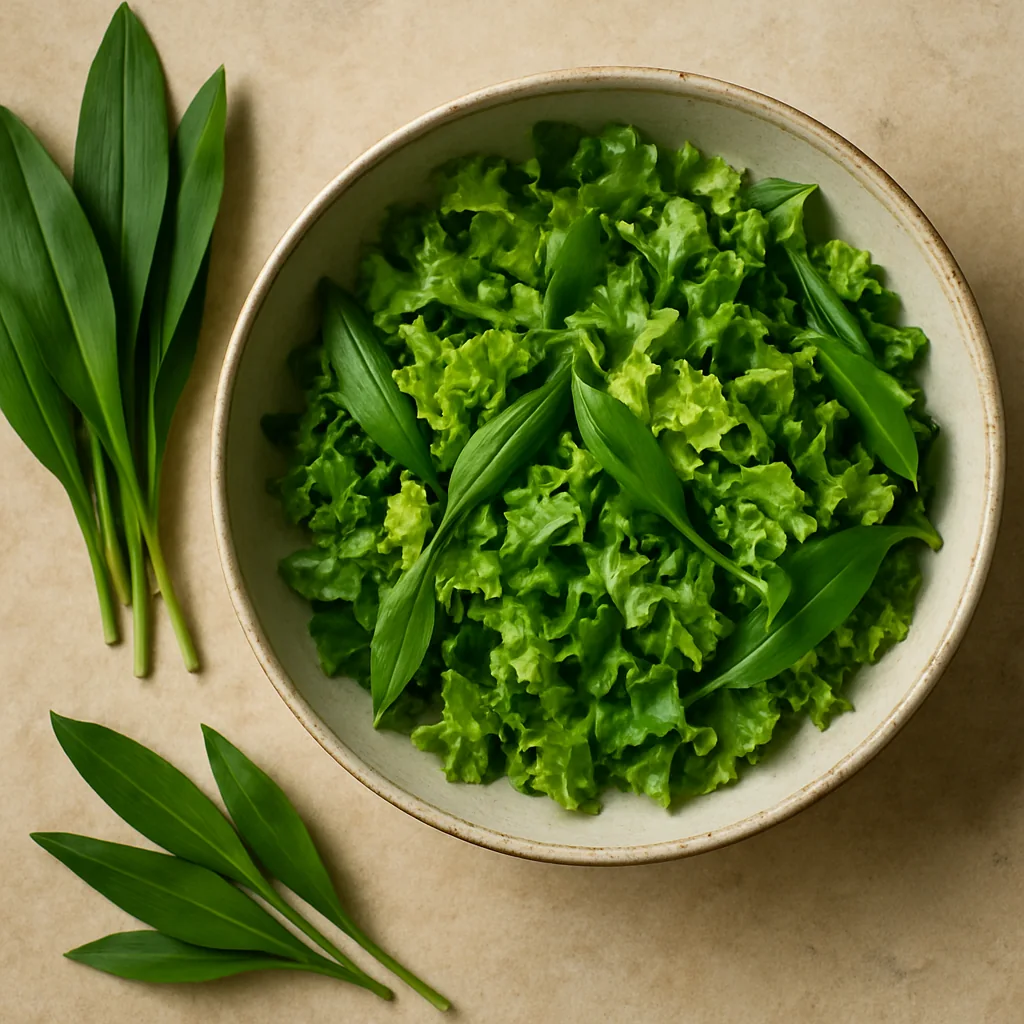
Ramsons (wild garlic) have a very short season, so they should be used fresh or preserved quickly.
Home preserving always depends on cleanliness, correct proportions, sterilization, and storage conditions. If the result seems doubtful, it is safer not to take risks and to open the related troubleshooting pages and explanations.