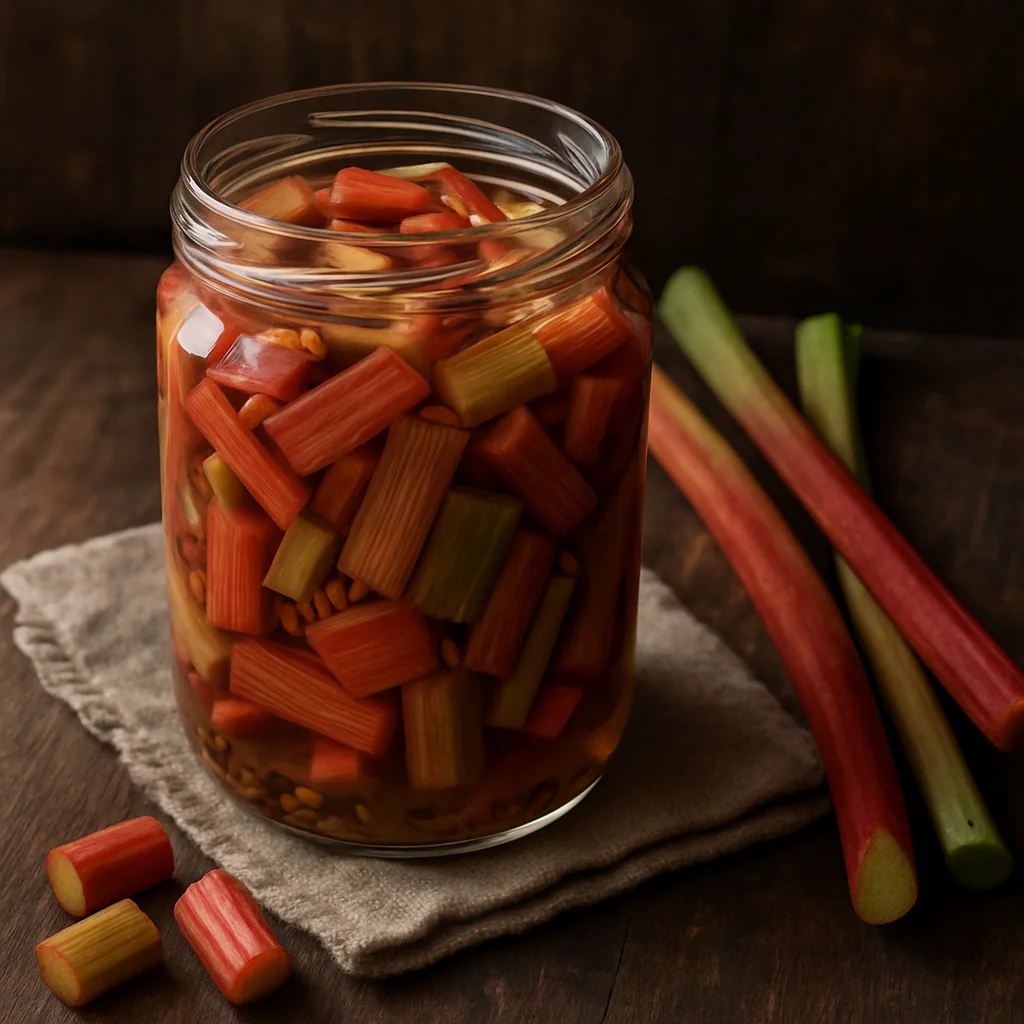
Quick Pickled Rhubarb – Step-by-Step Recipe & Practical Tips
Quick pickled rhubarb is a vibrant spring side with a balanced sweet and tangy flavor.
1 h
Easy
1
Go to recipe
Quick pickled radishes are an easy way to use seasonal produce and create a vibrant side dish without complex processing. To keep them crisp, avoid overheating and prolonged exposure to warmth.
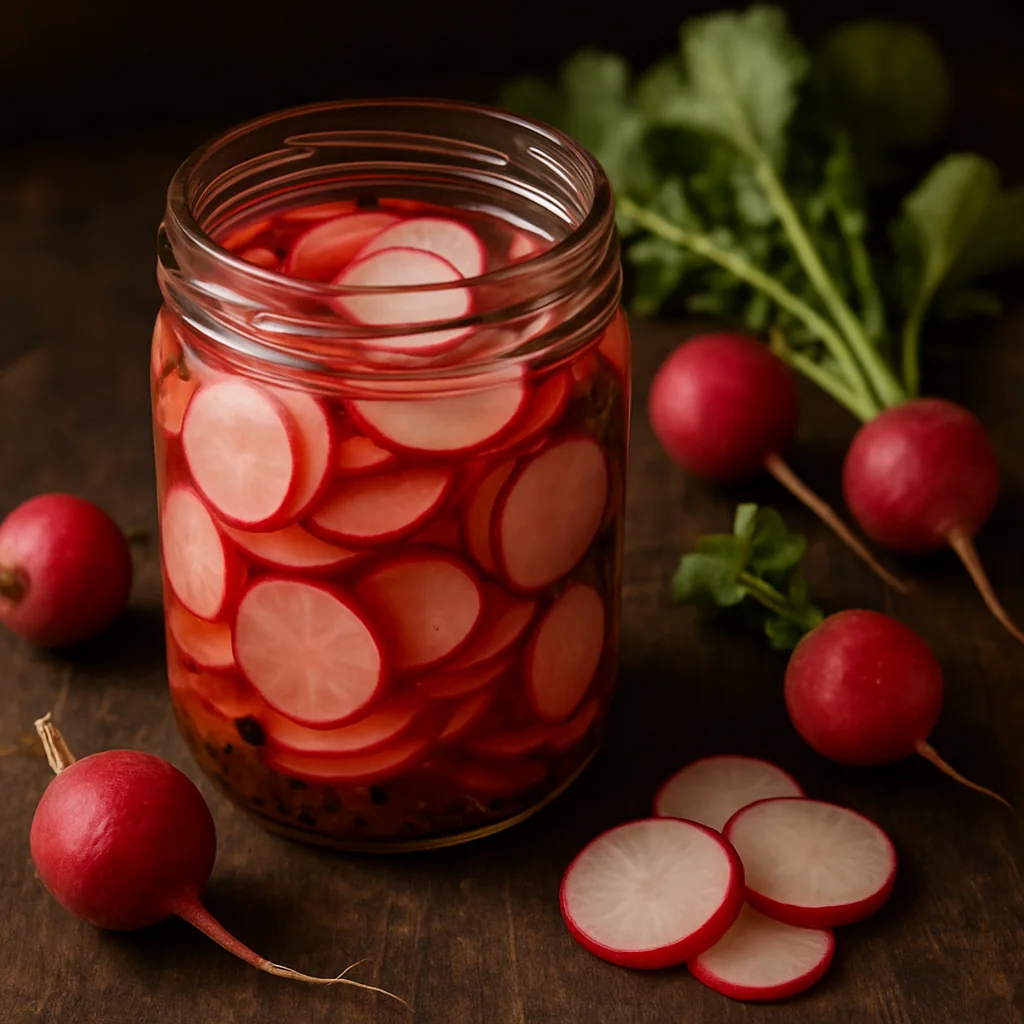
Quick pickled radishes are a fresh and crunchy spring side with a light tangy flavor.
Below is the ingredient list for this recipe with the base proportions. It is convenient to prepare everything you need in advance so the cooking process goes more smoothly and without rushing.
There are 5 items in the list. It is convenient to check that everything is ready first and only then move on to the cooking steps.
The recipe is broken down into clear steps so it is easy to follow right in the kitchen. Move through them in order to keep the process under control and avoid missing important details.
This recipe has 4 steps. It is easiest to follow them in order without jumping between stages.
Wash the radishes and slice them or cut in halves.
Combine water, vinegar, salt, and sugar, then bring to a boil.
Pour the hot marinade over the radishes.
Cool and refrigerate for 4–12 hours.
No, vinegar is essential for safety and flavor.
It was likely exposed to heat too long or not stored properly in the fridge.
A strong recipe page does not end with ingredients. The next step should be logical: a calculation, an explanation, a troubleshooting page, a guide, or a closely related section.
If you liked this recipe, there are often several similar preserves worth opening next.
Quick pickled rhubarb is a vibrant spring side with a balanced sweet and tangy flavor.

Pickled young carrots are a crisp seasonal side with a balanced sweet and tangy flavor.
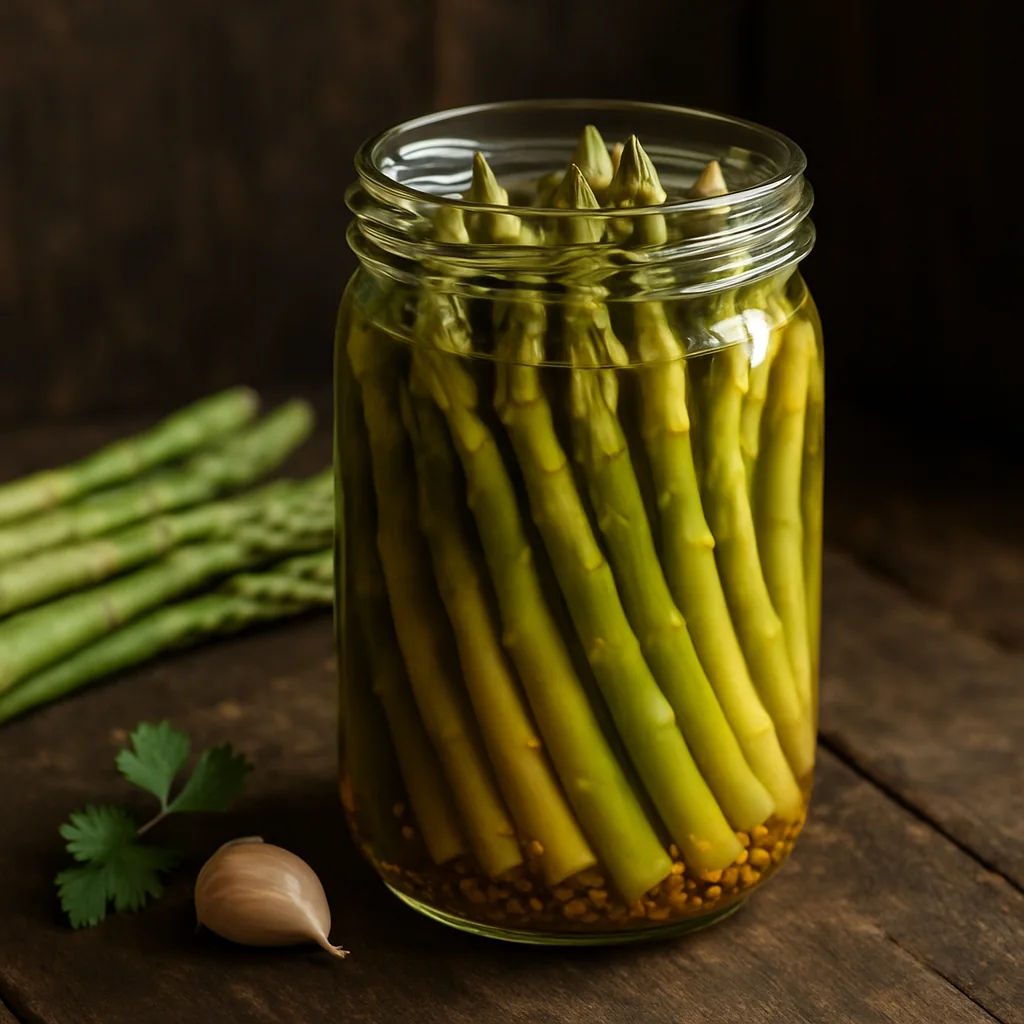
Quick pickled asparagus is a tender spring side with a light tangy flavor and delicate crunch.
Home preserving always depends on cleanliness, correct proportions, sterilization, and storage conditions. If the result seems doubtful, it is safer not to take risks and to open the related troubleshooting pages and explanations.