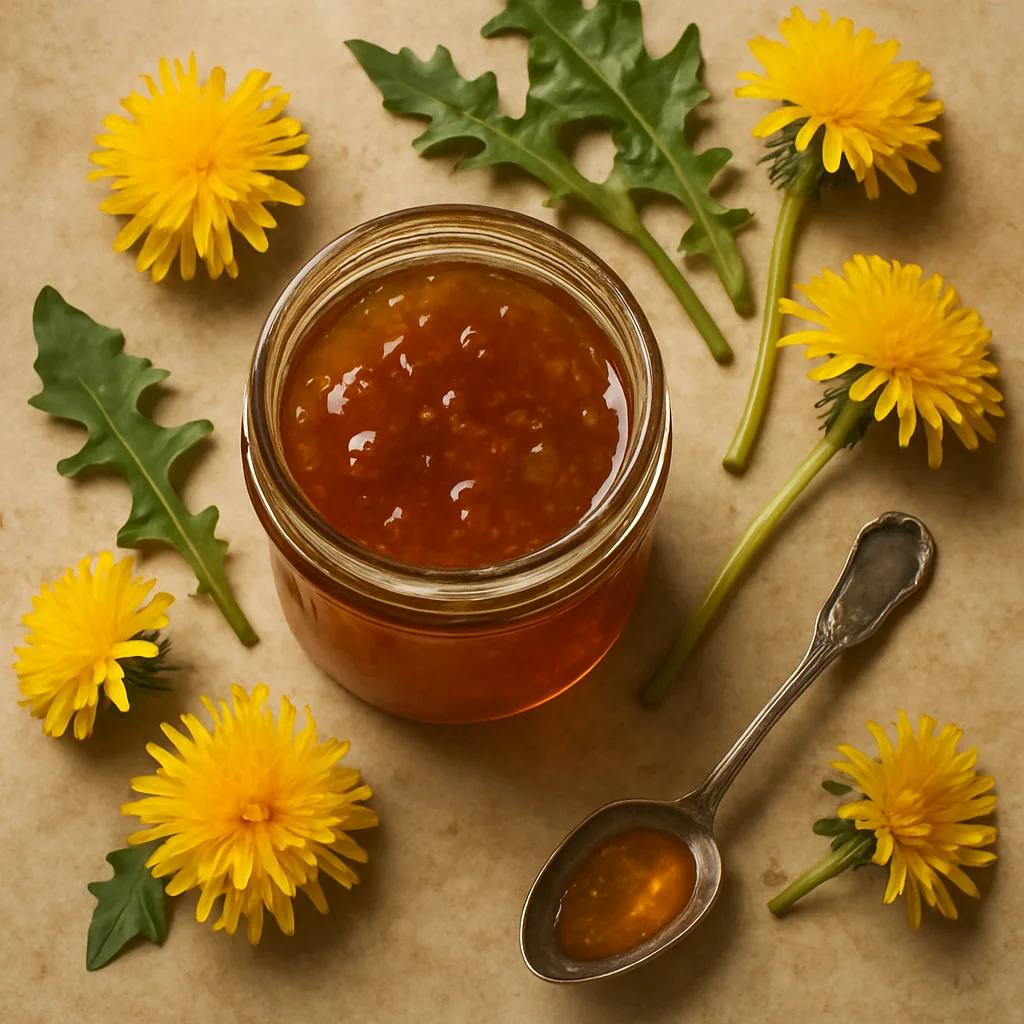
Spring
Dandelion Syrup – Step-by-Step Recipe & Practical Tips
Fragrant dandelion syrup — one of the most popular spring preserves for tea, drinks, desserts, and pancakes.
1 h
Easy
3
Go to recipe
Dandelion jam is a homemade preserve where not only proportions matter, but also harvesting time, ingredient preparation, and achieving the right final texture. Below is a practical, streamlined method.
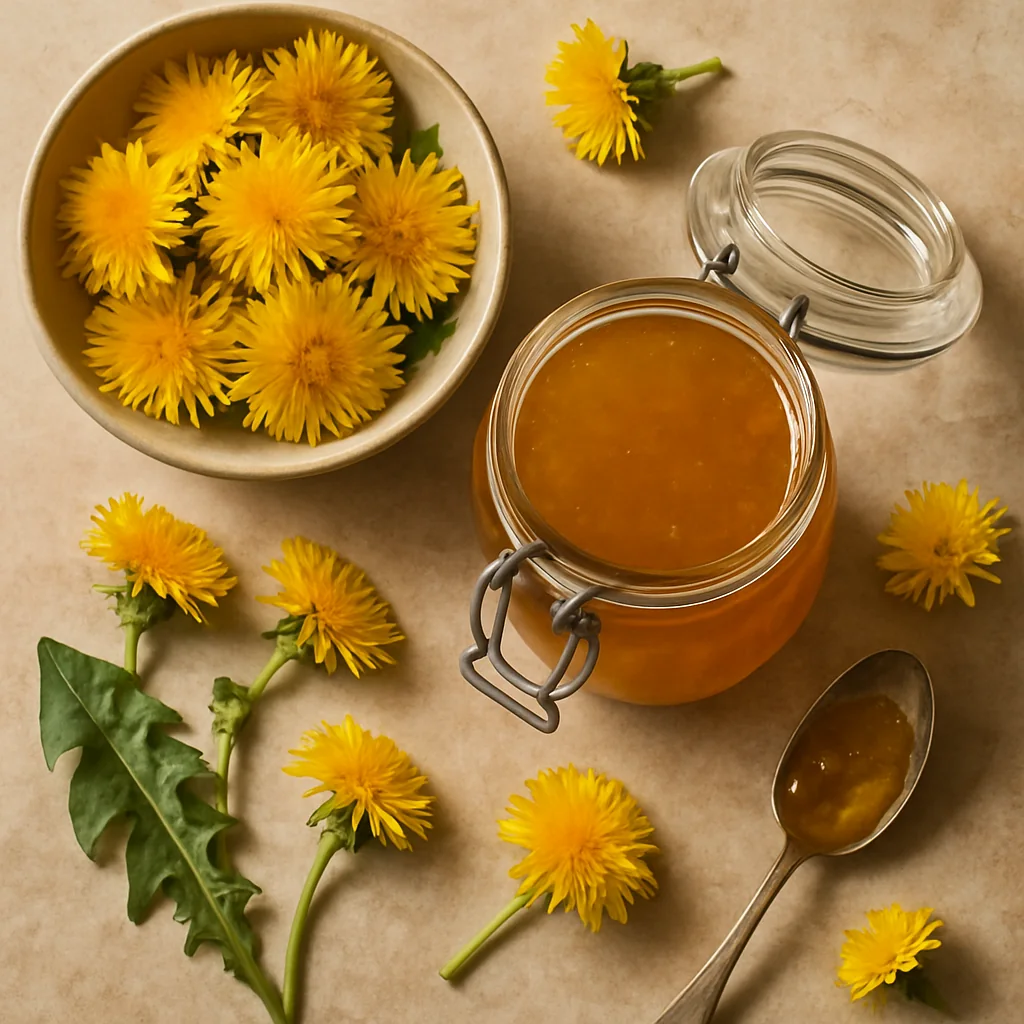
Dandelion jam — a practical homemade recipe focused on flavor, texture, and convenient storage.
Below is the ingredient list for this recipe with the base proportions. It is convenient to prepare everything you need in advance so the cooking process goes more smoothly and without rushing.
There are 4 items in the list. It is convenient to check that everything is ready first and only then move on to the cooking steps.
The recipe is broken down into clear steps so it is easy to follow right in the kitchen. Move through them in order to keep the process under control and avoid missing important details.
This recipe has 4 steps. It is easiest to follow them in order without jumping between stages.
Sort and rinse the dandelion flowers. If needed, chop them into even pieces for more uniform heating.
Cover with sugar or gently heat with a small amount of water to help release the natural juices without aggressive boiling.
Cook over moderate heat, skim off foam, and avoid overheating to preserve a clean, non-burnt flavor.
Test the thickness with a drop on a cold plate, then transfer into clean, dry jars.
Yes, but it is better to adjust spices and flavorings rather than the core balance of sugar or acidity in preserved recipes.
Focus on aroma, texture, and thickness rather than strictly on timing — this ensures a more consistent homemade result.
A strong recipe page does not end with ingredients. The next step should be logical: a calculation, an explanation, a troubleshooting page, a guide, or a closely related section.
If you liked this recipe, there are often several similar preserves worth opening next.
Fragrant dandelion syrup — one of the most popular spring preserves for tea, drinks, desserts, and pancakes.
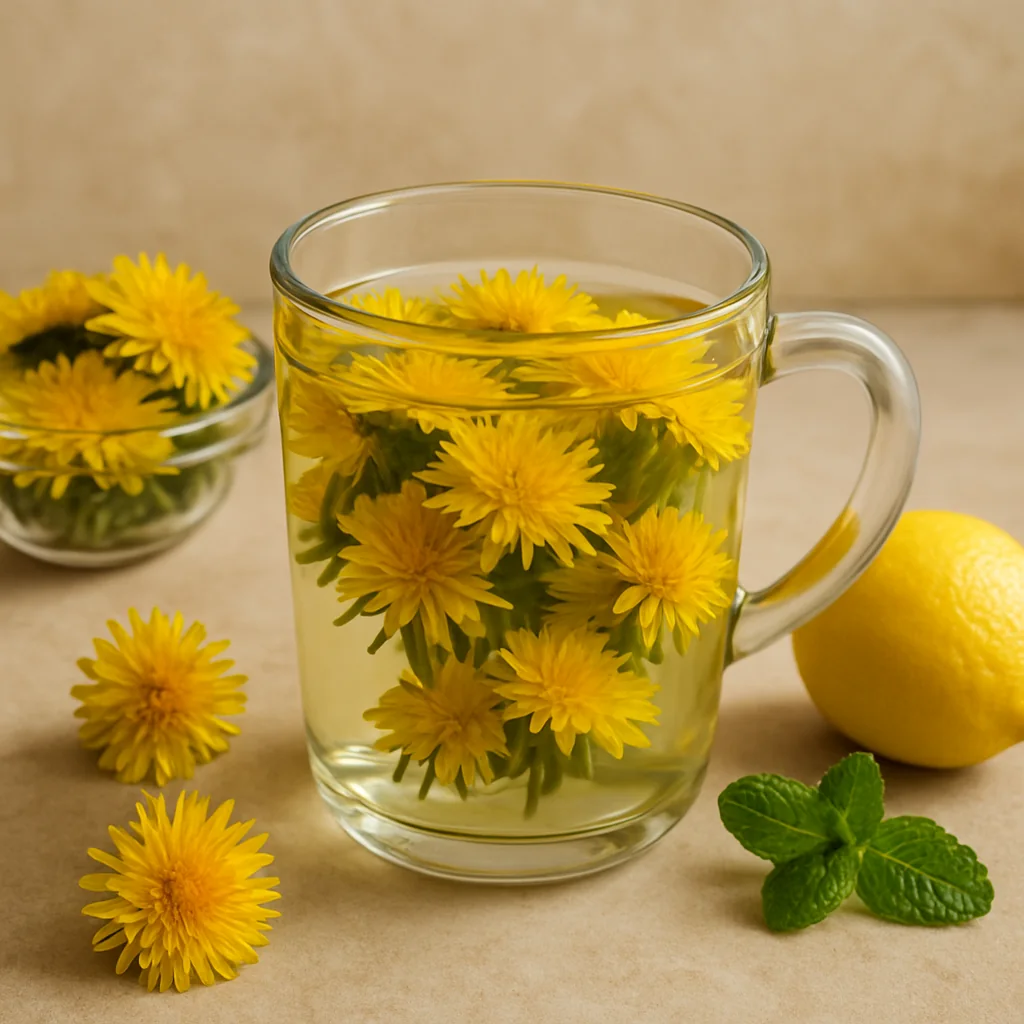
Dandelion tea is a simple homemade herbal drink made from fresh spring blossoms.
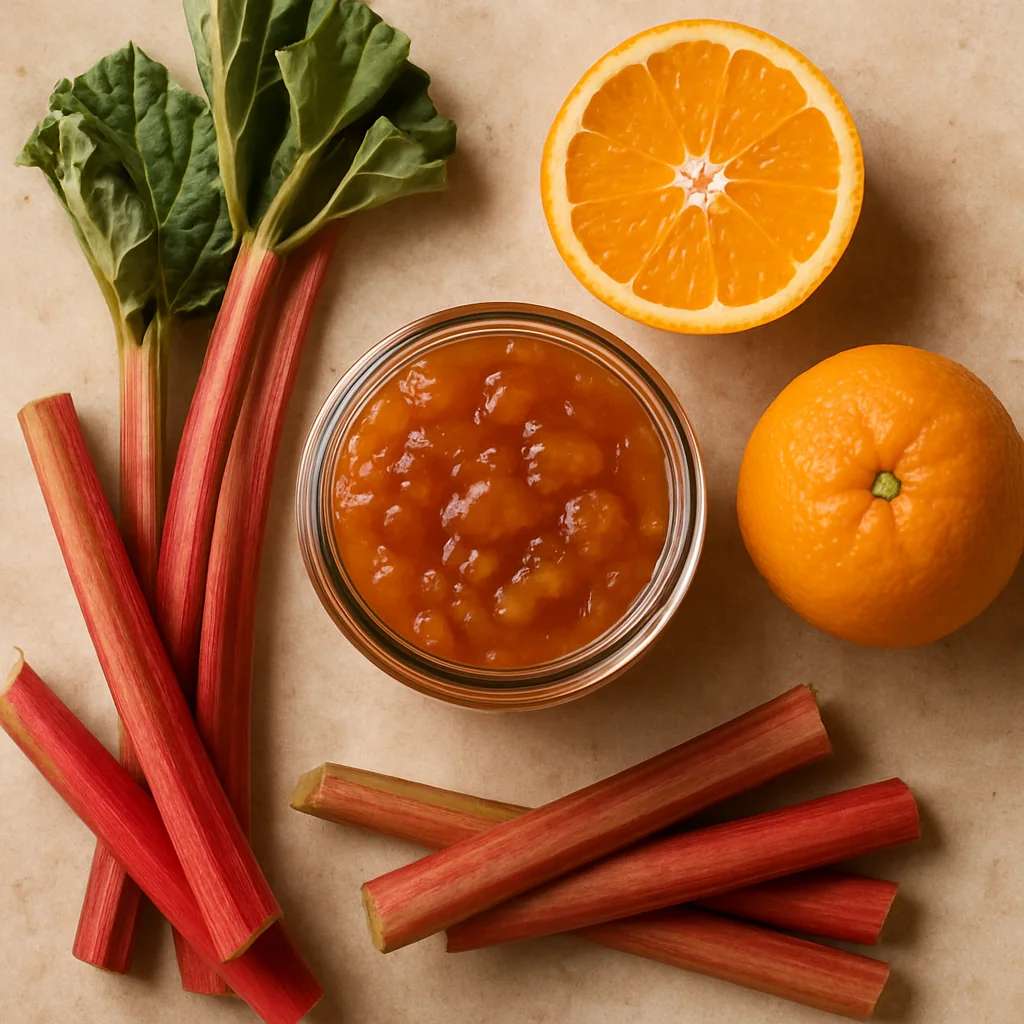
Rhubarb and orange jam is a fragrant spring preserve with a perfect balance of tart and sweet flavors.
Home preserving always depends on cleanliness, correct proportions, sterilization, and storage conditions. If the result seems doubtful, it is safer not to take risks and to open the related troubleshooting pages and explanations.